A stop-start history that left very little in the middle
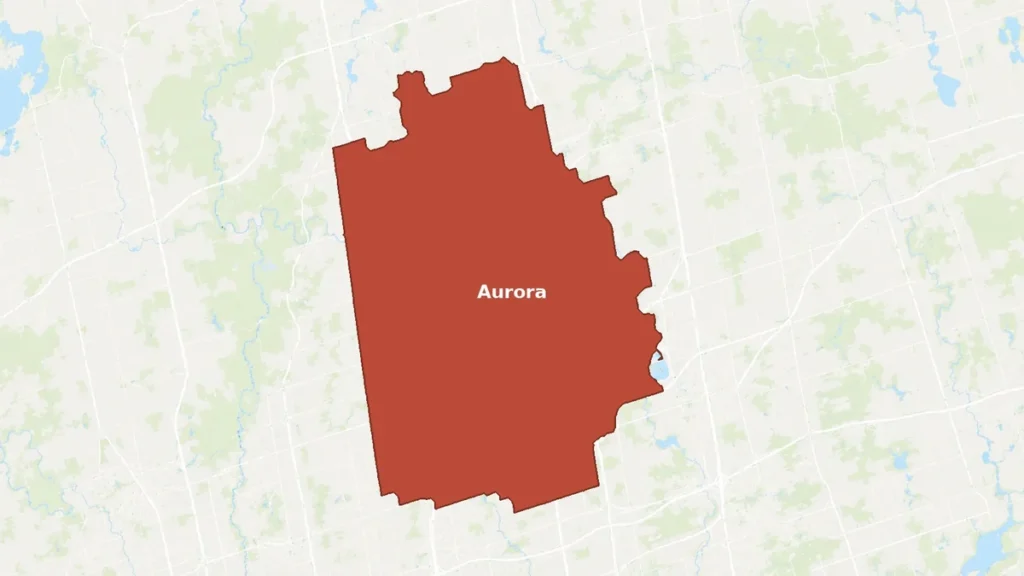
Most municipalities we work in have a continuous housing spectrum. Aurora does not. It grew to 2,107 people by 1888, then declined and reverted to agriculture as industry left around the turn of the twentieth century, and did not resume meaningful growth until after the Second World War, accelerating from the early 2000s. The result is a small but genuinely Victorian core beside a large 2000s subdivision belt with comparatively little in between, and those two stocks need completely different approaches. Yonge Street at Wellington Street, originally Machell’s Corners, is the historic downtown. Hillary House is one of Canada’s better examples of Gothic Revival, the Aurora Cultural Centre occupies a renovated 1910 school, and the Aurora Armoury is nearby. Northeast Old Aurora was designated a heritage conservation district, which we confirm with the Town before planning exterior work there. Economic activity has shifted east toward Highway 404 and away from the historic core.