A city at its boundary, so the only way to gain space is inward
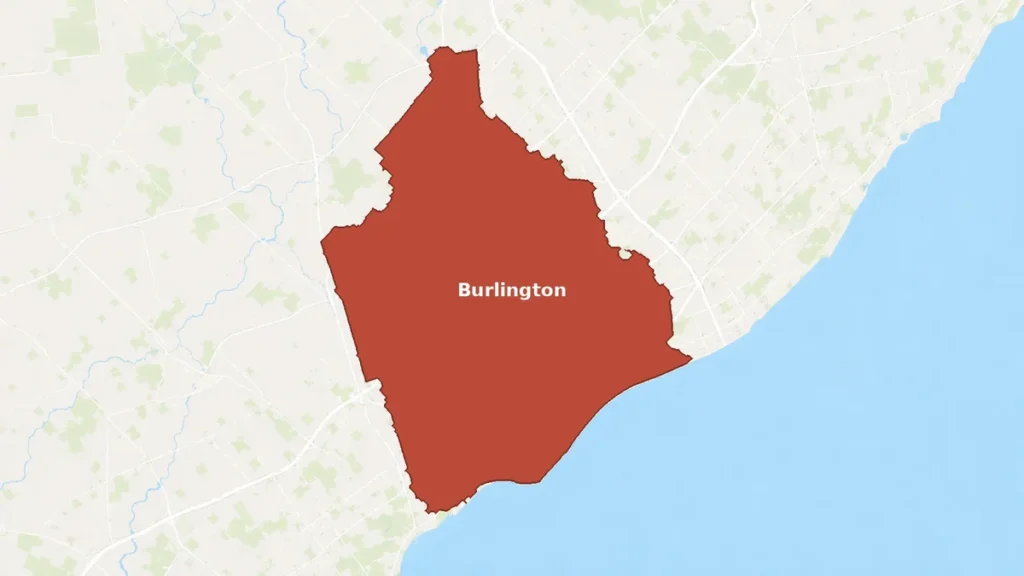
Burlington’s 681 percent growth across the 1950s, from 6,017 to 47,008, makes the 1950s and 1960s its dominant construction era, older than Mississauga’s or Markham’s. More importantly for anyone renovating here, the city is at its built-out urban boundary, hemmed by the Parkway Belt and Highway 407 to the north, the Niagara Escarpment and Lake Ontario. Growth has slowed to 2 percent in five years, the slowest of the 15 communities we cover. A city that cannot expand outward is a city where additional space comes from renovation, conversion and intensification, which is why local demand is concentrated in additions, basement conversions and reworking 1950s and 1960s floor plans that were not built open. On the regulatory side, Burlington issues a separate heritage permit for designated properties, and that process can take up to 90 days, which is the longest heritage timeline of any municipality we work in. Twenty-seven properties were shortlisted for heritage designation in response to Bill 23. Local landmarks include Spencer Smith Park on the lake, the Royal Botanical Gardens, Canada’s largest, the Joseph Brant Museum and Village Square.